The Atlanta Homeowner's Fall Moisture Inspection Checklist
Published: 2026-04-28 · By TritonDry Water Damage Restoration
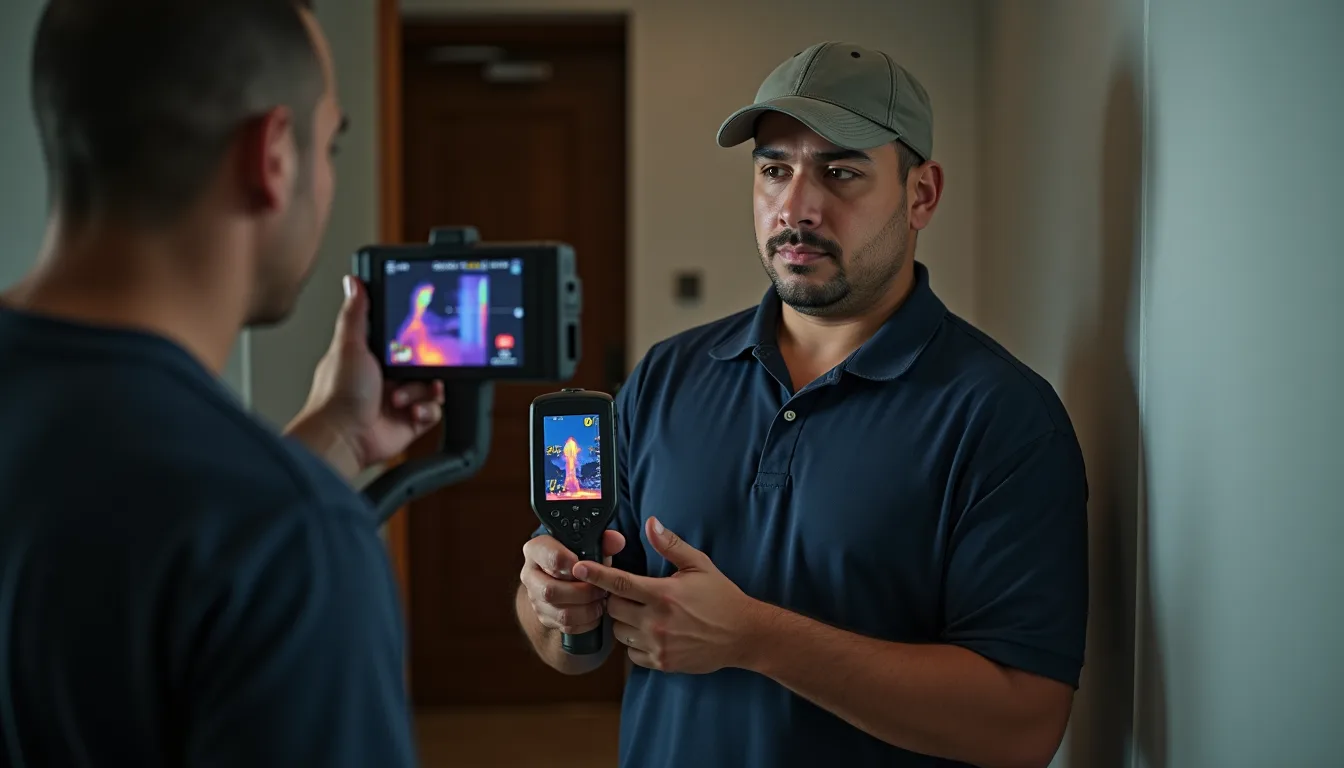
As the vibrant colors of fall blanket Atlanta, homeowners often overlook a crucial fact: moisture issues can linger year-round. Imagine returning home after a weekend getaway, only to discover damp patches on your walls or a musty odor in the air. Unfortunately, the sticky humidity of summer and unexpected fall rains can leave your foundation vulnerable, especially if you neglect regular moisture inspections. This article will guide you through an essential fall moisture inspection checklist tailored for Atlanta homeowners, ensuring that your home stays dry and protected during the cooler months.
Why This Matters for Atlanta Homeowners
Water damage can be especially concerning for Atlanta homeowners due to our humid summers, unpredictable fall storms, and the unique geological challenges posed by Georgia's red clay soils. These factors can lead to foundation shifting, especially during wet seasons when the clay expands and contracts. If not addressed, lingering moisture can result in serious structural issues, mold growth, and costly repairs.
Furthermore, Atlanta's architecture varies widely, from historic homes with crawl spaces to modern constructions with basements, each presenting its distinct moisture management challenges. With fall bringing increased rainfall, tightly sealed windows, and heating systems starting to operate, humidity levels can rise, creating breeding grounds for mold and mildew. Addressing these threats promptly is crucial for maintaining your home’s integrity.
Routine moisture inspections are essential for Atlanta homeowners not just for maintaining comfort but also for protecting property value in a competitive real estate market. Ignoring these issues can have dire consequences, leading to expensive fixes that could have been prevented with timely action.
Expert Solutions & Actionable Tips
1. Check Your Gutters and Downspouts
Clogged gutters can lead to serious drainage issues, allowing water to pool near your foundation. In Atlanta, where summer storms can be intense, it’s crucial to clean your gutters at least twice a year. Hiring a professional service for this task typically costs between $100 and $300, depending on the size of your home.
Ensure that downspouts extend at least five feet away from your home’s foundation to divert water adequately. If you find gutters that need repair or replacement, plan to allocate between $500 and $1,500, depending on materials and labor costs.
2. Inspect Your Crawl Space
Crawl spaces are often neglected, but they serve as breeding grounds for mold if moisture accumulates. In Atlanta, sealing your crawl space can cost between $1,500 and $5,000. Initiate a thorough inspection for signs of standing water or damp materials during fall inspections.
Consider installing a dehumidifier specifically designed for crawl spaces to maintain humidity levels below 60%. This investment will protect your home’s structure and improve indoor air quality, especially important in our humid climate.
3. Monitor for Foundation Shifts
Given the shifting nature of Georgia's red clay, foundation issues can be a concern for homeowners. Visible cracks in your walls or uneven floors may indicate a problem. Hiring a foundation inspector typically costs between $300 and $1,000, but catching these issues early can save you thousands.
If you suspect shifting, document any changes over time and consult a foundation repair specialist if necessary. Addressing these concerns promptly will enhance your home's longevity and stability.
4. Seal Windows and Doors
Properly sealed windows and doors can significantly reduce moisture infiltration and energy costs. Inspect weather stripping and caulking, as Atlanta's humid climate can degrade seals over time. Replacing weather stripping can be a DIY task costing roughly $50, while professional assistance might run around $200.
As temperatures drop in fall and winter, ensuring a tight seal becomes even more essential for maintaining indoor air quality and comfort.
5. Inspect Your Roof for Damage
Atlanta's fall storms can wreak havoc on your roof, so a thorough inspection is crucial. Look for missing shingles, leaks, or damage to flashing—issues that can become worse during freezing conditions. Roof repairs can range from $300 to $1,500, depending on the severity of the damage.
Consider having a roofing expert conduct a comprehensive inspection annually to prevent leaks and ensure longevity.
6. Evaluate your Plumbing Systems
With fall temperatures dropping, plumbing issues can become more pronounced. Inspect exposed pipes for leaks, especially in unconditioned spaces like basements and attics. If you discover leaks, the average cost for plumbing repairs in Atlanta is between $150 and $600, depending on the problem.
Regularly flushing your water heater to remove sediment is a proactive measure that prolongs its lifespan, ensuring that you have reliable hot water through the colder months.
Atlanta Climate & Local Context
Atlanta’s climate is characterized by hot, humid summers, with an occasional freeze during the winter months. This weather can lead to moisture-heavy conditions, particularly during the fall seasonal transition. The city is also known for its unique building stock, which ranges from historic homes, often with separate basements, to newer constructions built into the hillside.
Local building codes require proper drainage systems to prevent water accumulation around homes, making it imperative for residents to comply with regulations and engage in periodic inspections. Knowledge of local codes is crucial when addressing water damage, as repairs must meet the city’s standards to ensure safety and integrity.
When to Call a Professional
While many minor moisture issues can be tackled by homeowners, there are specific situations when it’s essential to call in a professional, especially in the context of Atlanta's unique climate and soil conditions. Tackling repairs like mold removal and foundation issues generally require specialized knowledge and tools.
- Severe mold growth that covers more than ten square feet.
- Cracks larger than a quarter inch in your foundation.
- Signs of water pooling that persist despite drainage efforts.
- Structural damage that impacts the stability of your home.
- If you’re planning extensive renovations that might expose hidden moisture issues.
For most homeowners, knowing when to seek help is vital. Engaging a professional ensures that proper techniques are used to protect your property from ongoing damage.
Frequently Asked Questions
What are signs of water damage I should watch for?
Homeowners should be alert for peeling paint, stained walls, and a musty smell, which are all indications of potential water damage. In Atlanta, also watch for mold growth, especially in humid areas.
How can I tell if I need a professional for water damage restoration?
If you notice extensive mold, severe leaks, or structural damage, it's time to call a professional. TritonDry Water Damage Restoration can assess the situation and start remediation.
Is mold common in homes during fall in Atlanta?
Yes, the high humidity levels combined with fall moisture can promote mold growth. Timely inspections and moisture control measures are essential for prevention.
Can I tackle water damage restoration myself?
Minor issues like small leaks can be manageable for homeowners. However, significant water damage and mold issues often require professional expertise to ensure safety and effectiveness.
What services does TritonDry offer to Atlanta homeowners?
TritonDry provides comprehensive water damage restoration services, including mold remediation, structural drying, and assistance with insurance claims specific to water damage situations.
Get Expert Water Damage Restoration Service in Atlanta
As the seasons shift and moisture levels rise, proactively addressing potential water damage is essential for Atlanta homeowners. For experienced and reliable help, contact TritonDry Water Damage Restoration today. Our professionals are ready to protect your home and maintain its value.
Don't let water issues linger. Call (678) 606-4493 and ensure your home is safeguarded against moisture damage this fall.