How to Protect Your Atlanta Home During Summer Storms
Published: 2026-04-28 · By TritonDry Water Damage Restoration
As an Atlanta homeowner, you know that summer storms can roll in quickly, bringing oppressive humidity, torrential rain, and the occasional hail. Just last summer, a single storm left many homes with significant water damage, reminding us all of the need for preparedness. Unfortunately, the combination of hot, humid weather and erratic downpours can lead to serious issues if we aren’t proactive. Whether it's the risk of flooding or the potential for mold growth, understanding how to protect your home from these threats is crucial.
Why This Matters for Atlanta Homeowners
Atlanta's climate is known for its sticky summers and unpredictable storms, which can easily overwhelm drainage systems. The local red clay soil, notorious for its shifting properties, adds another layer of complexity; it can shift considerably during heavy rainfall, compromising the structural integrity of your home. Homeowners may find themselves facing costly repairs after flooding or mold infestations if they do not take adequate precautions during the storm season.
Moreover, Atlanta's building infrastructure has not always kept pace with these environmental challenges. Many older homes were built without considering modern standards for moisture management and drainage. This oversight can lead to long-term damage, and many find themselves shelling out thousands of dollars on water damage restoration unnecessarily.
Lastly, improper landscaping can exacerbate runoff issues. Homeowners who plant too close to their foundations or do not utilize proper grading may end up creating small rivers right in their backyards!
Expert Solutions & Actionable Tips
1. Regular Gutter Maintenance
Gutters play a vital role in diverting rainwater away from your home. In Atlanta, it’s essential to clean them at least twice a year, particularly before the peak storm season. Consider hiring a local service which may charge between $100-$300 depending on the home's size. Neglecting this upkeep can lead to overflow, causing water damage in your basement or crawl spaces.
2. Inspect Your Home's Foundation
A well-maintained foundation is your first line of defense against water damage. Given Atlanta's red clay, regular monitoring is critical. If you spot any cracks, it may be wise to consult a structural engineer, which could cost around $300 for an assessment. Addressing these issues promptly can save you significant repair costs later.
3. Install a Sump Pump
Investing in a sump pump is a proactive measure, especially if you live in a low-lying area that is prone to flooding. These systems typically range from $800 to $2,500, but can be invaluable during heavy rains. They work by pumping excess water out of the basement, preventing costly damages that can arise from standing water.
4. Check Your Landscaping
Evaluate the grading around your property to ensure it slopes away from the foundation. This reduces the chances of water pooling near the base of your home. Sometimes, simple changes like adding mulch or planting drought-resistant flora can make a huge difference. Investing in proper landscaping can cost approximately $1,000, but the long-term benefits are worth it.
5. Seal Windows and Doors
Often overlooked, sealing the gaps around windows and doors can dramatically reduce leakage points during storms. A good quality silicone sealant is cheap—generally under $10 per tube—and applying it involves minimal skill. This small investment can save you from serious water damage down the line.
6. Understand Your Insurance Policy
Take time to review your homeowner’s insurance policy to ensure you are covered for flooding and water damage. In Atlanta, coverage can vary widely, and certain policies may exclude specific storm-related damages. Allocate time once a year to reassess your coverage, as it could save you headache during claims or repairs. Consulting with an agent could range from free to a small fee, depending on your needs.
Atlanta Climate & Local Context
Atlanta's heat and humidity create a unique environment for residences, with summer storms rolling in accompanied by significant rainfall. Homes in the area often face threats from both flash flooding and prolonged dampness, leading to mold growth. The local building stock varies widely; many older properties may not have robust drainage solutions in place, which emphasizes the importance of preemptive measures.
Building codes in Georgia enforce certain waterproofing and drainage practices, but these can vary from county to county. Any construction efforts, especially those related to water management systems, typically require permits. Atlanta homeowners should be aware of these regulations to avoid potential fines and ensure their properties are adequately protected against severe weather incidents.
When to Call a Professional
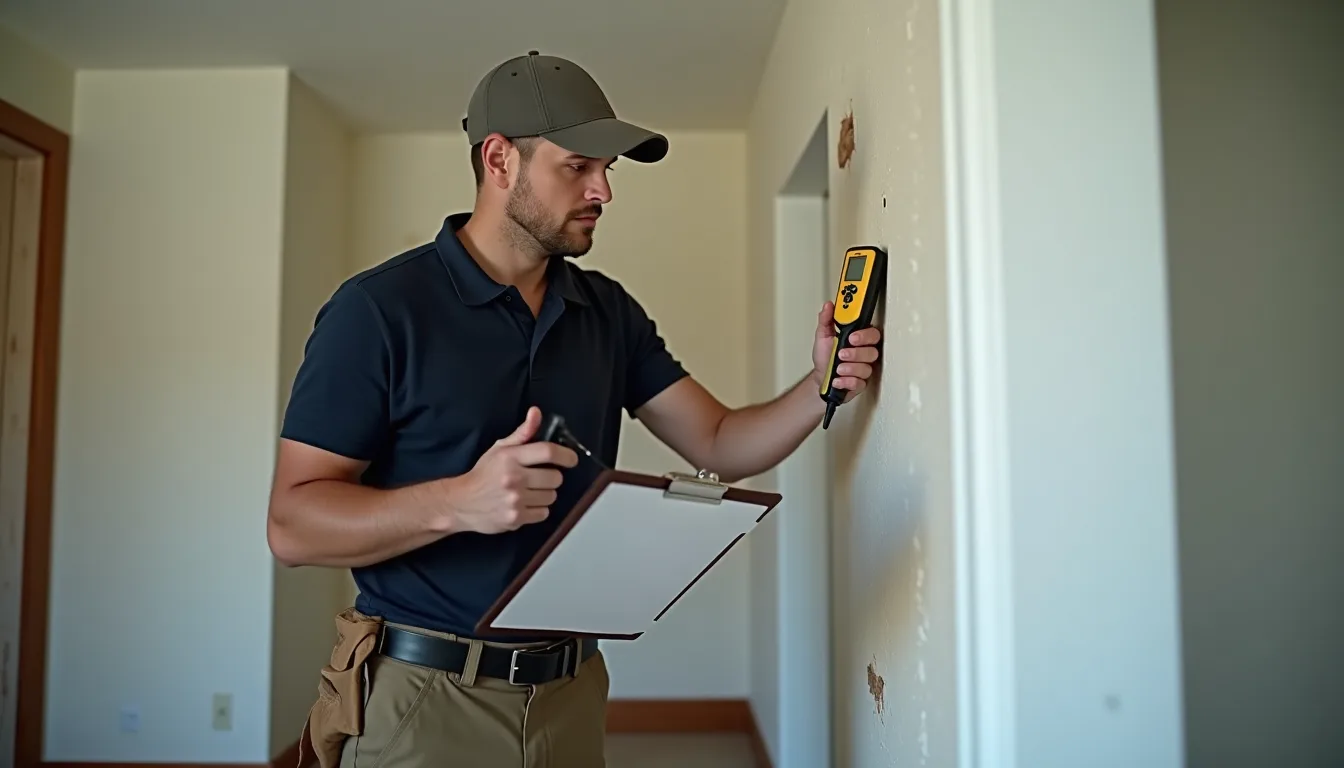
Deciding between a do-it-yourself approach and hiring a professional may depend on your experience and the severity of the water damage. Many homeowners can tackle minor leaks, but significant flooding often necessitates expert intervention. Engaging professionals ensures that the job is done thoroughly while adhering to local safety standards.
- Observe for signs of pooling water in your basement or around the foundation.
- If your walls feel damp or water-stained, it's time to call in experts.
- Unpleasant odors can indicate hidden mold, which should be addressed swiftly.
- Persistent leaks that worsen after repairs indicate underlying issues.
- If there are cracks in the foundation or the exterior walls, consult a professional.
- Any roofing leaks during storms should prompt immediate assessment.
Hiring a professional can expedite the process, typically involving a timeline of one to three days for minor issues and longer for extensive restorations. Expertise matters when it comes to safeguarding your home.
Frequently Asked Questions
How can I tell if my home has water damage?
Signs of water damage include peeling paint, warped floors, and damp spots on walls. Regular inspections, especially after storms, can help identify issues before they escalate.
What should I do immediately after a water leak?
First, ensure your safety by turning off power to affected areas. Then, stop the source of the leak and call TritonDry Water Damage Restoration to assess any incurred damages promptly.
Will my insurance cover water damage?
It often depends on the type of water damage. Sudden incidents like burst pipes may be covered, while gradual damage might not be. Review your policy to understand specific coverage.
Are DIY methods effective for water damage?
Some minor water issues can be handled DIY, but extensive damage often needs professional assessment and treatment to prevent mold and long-term structural issues.
How long does restoration usually take?
Restoration time depends on the extent of the damage. Minor repairs can take a day or two, while major damage could require several weeks of work.
Get Expert Water Damage Restoration Service in Atlanta
Don’t leave your home vulnerable to water damage this storm season. For tailored advice or immediate help, contact TritonDry Water Damage Restoration at (678) 606-4493. Our experts are ready to assist you in maintaining a safe and dry home in Atlanta.
We understand the local climate and water management needs, ensuring that no matter the storm, your home remains your sanctuary.