10 Things Atlanta Homeowners Get Wrong About Water Damage Restoration
Published: 2026-04-28 · By TritonDry Water Damage Restoration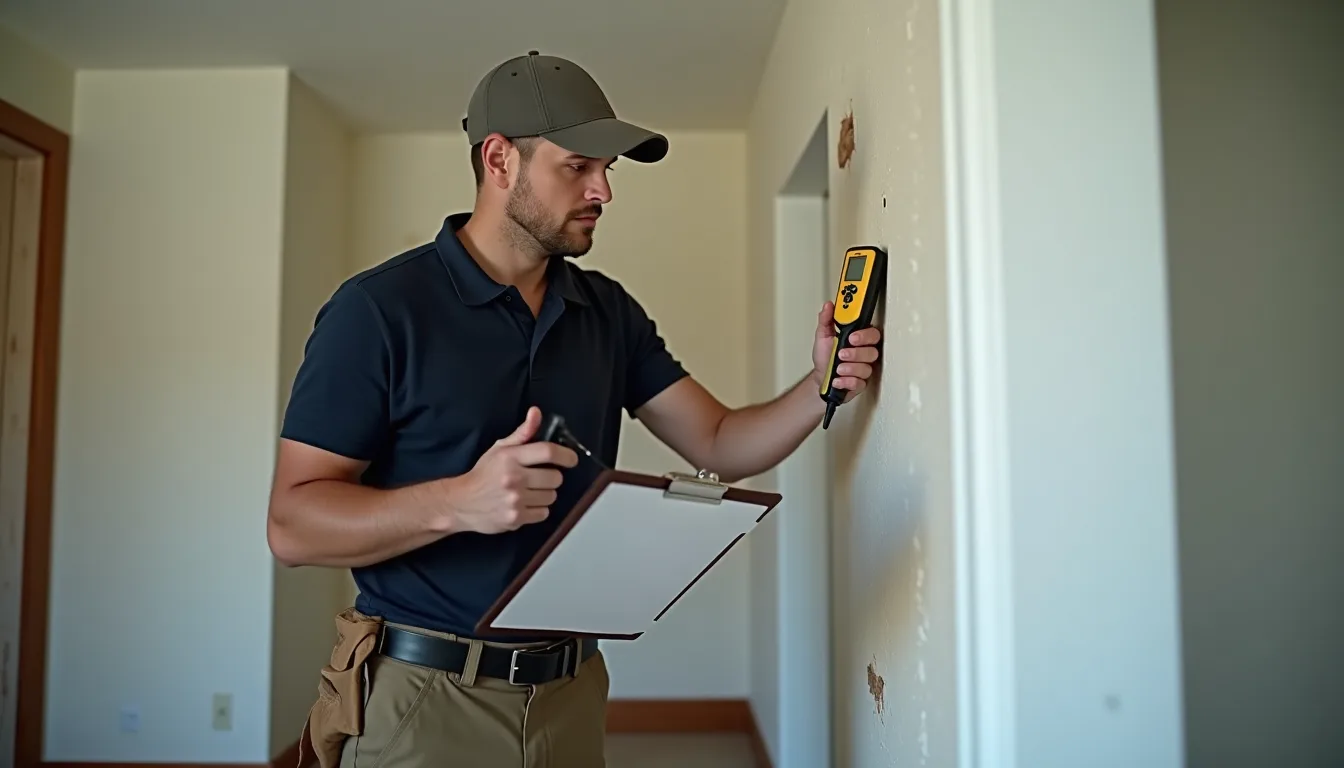
Living in Atlanta means homeowners often face unique weather challenges. One minute, it’s a sweltering summer day with humidity reaching unbearable levels, and the next, it’s a sudden downpour that leaves your basement flooding. Water damage can creep up on you without warning, often leaving behind more than just damp walls and soaked carpets. If you’re an Atlanta homeowner, understanding common misconceptions about water damage restoration is crucial to protect your property and peace of mind.
Why This Matters for Atlanta Homeowners
Many Atlanta homeowners are unaware of how the climate and geography can amplify water damage risks. The hot, humid summers coupled with occasional freezing temperatures create a perfect storm for mold growth and structural damage. The city’s infamous red clay soil can shift dramatically, putting additional strain on homes' foundations and drainage systems. Spring storms, often marked by intense hail and lightning, complicate matters further by causing roof leaks or runoff issues. Understanding these conditions is essential to mitigate risks.
Ignoring the signs of water damage can lead to costly repairs down the line. Homeowners must remain vigilant, especially during transitional seasons like spring and fall when storm activity peaks.
Additionally, common misconceptions like thinking small leaks can be easily fixed or assuming insurance will cover all damages can be detrimental decisions. It’s vital to be informed about the realities of water damage restoration to prevent irreversible harm.
Expert Solutions & Actionable Tips
1. 1. Don’t Overlook Mold Growth
Mold can develop within 24 to 48 hours after water exposure. In a humid Atlanta environment, this rapid growth is especially concerning. Investing in mold testing and remediation can cost between $1,500 to $3,500, depending on the severity and extent of the growth. If left untreated, mold can lead to serious health issues, making fast action essential.
2. 2. Verify Your Homeowner’s Insurance Policy
Many Atlanta homeowners mistakenly believe that all water damage is covered under their homeowner’s insurance. While some forms are, others, like floods or leaks from a neglected roof, may not be. On average, homeowners should expect to pay $600 to $1,500 for additional flood insurance if necessary. Always review your policy for specifics.
3. 3. Don’t DIY Major Repairs
Many homeowners feel tempted to tackle water damage repairs themselves to save money. However, major restoration tasks can be complex. Hiring professionals can cost between $3,000 and $7,000, but attempting DIY can lead to poor results and even greater expenses down the road. A proper assessment by experts is crucial.
4. 4. Seek Help for Hidden Damage
Water damage isn’t always visible. Behind walls and under floors may harbor moisture and mold. In Atlanta, employing a professional for a thorough inspection can cost around $200 to $600. This small investment can save thousands in unforeseen repairs, protecting the home's structural integrity.
5. 5. Assess Drainage Systems
Proper drainage around your home is essential in Atlanta’s clay-rich soil. Homeowners should invest in grading and other drainage improvements, which typically range from $1,500 to $4,000. These upgrades can prevent water from pooling around the foundation, mitigating long-term damage.
6. 6. Regular Maintenance Is Key
Regular inspections and maintenance are essential, particularly for basements and roofs. Setting aside about $500 annually for preventive checks can catch small leaks or performance issues before they escalate. Atlanta's weather conditions necessitate these proactive measures, ensuring a safe and dry home.
Atlanta Climate & Local Context
Atlanta experiences a blend of climates that can significantly affect residential properties. The hot and humid summers create an environment where water damage can thrive, exacerbated by heavy rainfall during summer storms. Additionally, the clay soil in the Atlanta area is known for shifting, which can lead to foundation issues if proper drainage is not established.
Local building codes mandate that new constructions incorporate appropriate drainage systems to manage water flow effectively. Failing to stay compliant with these regulations can result in hefty fines or mandatory retrofits, so understanding local codes is crucial when addressing water issues. Homeowners should consult local experts like TritonDry Water Damage Restoration to ensure compliance and quality restoration plans tailored to Atlanta's unique challenges.
When to Call a Professional
Understanding when to call a professional versus tackling a minor issue yourself can save Atlanta homeowners time and money. If you notice water stains on ceilings, persistent musty odors, or find mold growth, these are signs that a professional should handle the situation. DIY solutions can lead to insufficient repairs, often exacerbating the problem.
- Visible water stains or peeling paint
- Inaccessible leaking pipes
- Signs of mold growth
- Difficulty managing humidity levels
- Long-lasting dampness in basements
While minor leaks can sometimes be addressed with quick fixes, it's essential to know when to call in the pros to avoid serious damage. If you encounter any of the above issues, seeking expert help from TritonDry is the wisest choice.
Frequently Asked Questions
How quickly should I act if I have water damage in my Atlanta home?
You should act as quickly as possible. Contacting professionals like TritonDry Water Damage Restoration within 24 hours can minimize damage and prevent mold growth.
What are common causes of water damage in Atlanta?
Heavy rainfall, flash floods, and issues with plumbing such as burst pipes are common in Atlanta. The local red clay soil can also exacerbate water accumulation and foundation instability.
Is it necessary to use a restoration company?
While DIY fixes may seem appealing, professional restoration services ensure comprehensive assessments and effective solutions, avoiding further property damage that could be costly and time-consuming.
Will my insurance cover water damage restoration?
This depends on the type of damage and your specific policy. Flood damage often requires separate coverage, so verify your insurance details to avoid surprises.
What should I do first if my home experiences water damage?
Immediately ensure your safety and shut off water sources if possible. After that, contact professionals like TritonDry to begin the assessment and restoration process as soon as possible.
Get Expert Water Damage Restoration Service in Atlanta
Water damage can be devastating, but taking the right steps can protect your home and wallet. If you're facing water issues in your Atlanta home, contact the experts at TritonDry Water Damage Restoration today. We're here to provide quality restoration services tailored to our local climate.
Don’t wait for minor issues to turn into major headaches. Call (678) 606-4493 for urgent assistance, and ensure your home remains safe and dry for years to come.